Equity Market
What is meant by Preferential issue of warrants?
BASIC DEFINITIONS
Warrants: These are financial instruments that give the holder the right, but not the obligation, to purchase a company’s equity shares at a fixed price within a specified period (typically 18 months in India). They are like call options but issued directly by the company.
Preferential Issue: This is a private placement of securities (shares, warrants, or other instruments) to a specific group of investors, such as promoters, institutional investors, or high-net-worth individuals, rather than the general public. It’s governed by SEBI’s Issue of Capital and Disclosure Requirements (ICDR) Regulations, 2018.
WHAT?
A preferential issue of warrants is a method used by companies in India to raise capital by issuing convertible warrants to a select group of investors on a preferential basis, rather than through a public offering. In short this is a method by which a company raises money by issuing warrants which can be later converted into shares.
This financial instrument allows companies to secure funds while providing investors the option to convert the warrants into equity shares at a predetermined price and time in the future. Recently Reliance Jio has announced the allocation of 50 crore warrants at ₹316.50 to the promoter family, raising nearly ₹15,000 crore.
Key Features of Preferential Issue of Warrants
- Eligibility: Investors can include promoters, promoter groups, strategic investors, or institutions (e.g., venture capital funds, foreign portfolio investors). SEBI restricts the number of allottees to 200 per issue (excluding certain institutional investors).
- Pricing: The exercise price of warrants is set as per SEBI guidelines, typically based on the higher of: The average of the weekly high and low of the stock’s closing price over the 26 weeks or 2 weeks preceding the relevant date.
- Payment Structure: Investors pay an upfront amount (at least 25% of the warrant price) upon allotment, with the balance due upon exercising the warrant for equity shares within 18 months. If not exercised, the warrants lapse, and the upfront payment is typically forfeited.
- Lock-in Period: Shares issued upon conversion are subject to a lock-in period (e.g., 3 years for promoters, 1 year for non-promoters), restricting their sale to ensure market stability.
- Regulatory Approvals: Requires shareholder approval via a special resolution and compliance with SEBI ICDR Regulations, Companies Act, 2013, and stock exchange norms.
- Once warrants are converted into equity shares, they are held in dematerialized (demat) form in depositories like NSDL, which ensures secure storage, transfer, and settlement of these securities.
Why Companies Opt for Preferential Issue of Warrants?
- Faster Capital Raising: Unlike public issues, preferential issues are quicker, less costly, and involve fewer regulatory hurdles, making them ideal for urgent funding needs (e.g., debt repayment, expansion, or working capital).
- Targeted Investors: Companies can strategically select investors (e.g., promoters to increase stake or institutions for credibility) without diluting control immediately.
- Flexibility for Investors: Warrants allow investors to defer full payment and assess the company’s performance before converting to shares, reducing risk.
- Capital Infusion in Phases: The upfront payment provides immediate funds, while conversion later brings additional capital, aiding long-term planning.
EXAMPLES
- Adani Enterprises (2023): Issued warrants worth ₹12,500 crore to promoters and select investors to fund green energy and infrastructure projects, showcasing the use of warrants for strategic expansion.
- Tata Motors (2021-2023): Raised funds through preferential issues to strengthen its balance sheet, with warrants convertible within 18 months, supporting its electric vehicle push.
- Reliance JIO (2025)
About author

Zinkpot — We Inform, You Perform.
Ask Anything, Know Better
अपना प्रश्न पूछें
-
Groww IPO 2025: Key Dates, Details, Subscription Status, and Analyst Views
November 05 Overview Groww is a popular online platform in India where people can invest in stocks, mutual funds, and more. It's easy to use and has millions of users. Now, its parent company, Billionbrains Garage Ventures, is going public with an Initial Public Offering (IPO). This means they're selling shares to the public to raise money. The IPO started on November 4, 2025, and it's a big deal in the finance world. In this article, we'll explain what the Groww IPO is, its key details, how it's going so far, what experts say,...
-
What are Anchor Investors in IPOs?
October 25 Introduction Anchor investment is a key part of how companies raise money when they first sell shares to the public through an Initial Public Offering (IPO). It takes place when big, trusted investors buy a large number of shares just before the IPO opens to everyone else. These "anchor investors" help make the IPO look strong and attract more people to buy shares. What Is Anchor Investment? Anchor investment happens when a company invites special investors to buy its shares one day before the IPO...
-
What Are Pre-IPO Placements?
October 25 What Are Pre-IPO Placements? A pre-IPO placement is when a company sells a big chunk of its shares to selected investors privately, just before its IPO. These investors are usually big players like mutual funds, venture capitalists, or rich individuals. The shares are often sold at a discount, meaning cheaper than what they'll cost during the IPO. This is different from the IPO, where anyone can buy shares on the open market.In simple terms, it's a private deal to get money fast without all the rules and...
-
BSNL's Comeback: From Telecom Giant to Self-Reliant Powerhouse
October 05 Overview Bharat Sanchar Nigam Limited (BSNL), the once-dominant state-owned telecom provider in India, is scripting an inspiring comeback. Powered by homegrown technology and government backing, BSNL's launch of indigenous 4G services and upcoming 5G plans signal a new era. This shift not only boosts competition against giants like Jio and Airtel but also strengthens India's digital security and connectivity for all. How BSNL Lost Its Edge? In its prime, BSNL was the heartbeat of India's...
-
What is Over-the-Counter (OTC) Trading in Financial Markets?
September 09 BACKGROUND When most people think of financial markets, they imagine stock exchanges like the NYSE, NSE, or Nasdaq — fast-paced, transparent, and heavily regulated. But there's another, far larger world of trading that doesn’t happen on these platforms — it's called Over-the-Counter (OTC) trading. This decentralized and often misunderstood market handles trillions of dollars daily in deals ranging from government bonds to exotic derivatives. Here's everything you need to know about how OTC trading works, why...
-
How Allotment of Shares Works in an IPO?
September 07 Key Steps in the Allotment Process Setting a price band : The issuer sets a price band (with the cap price at least 5% above the floor, up to a maximum 20% premium). Investors place bids within this band during the bidding window. Once the window closes, the cut-off price is finalized—it's the highest price at which the entire issue is fully subscribed. Determining Eligibility: Only bids at or above the cut-off price qualify for allotment. Retail investors (those applying for up to ₹2 lakh worth of shares) have an...
-
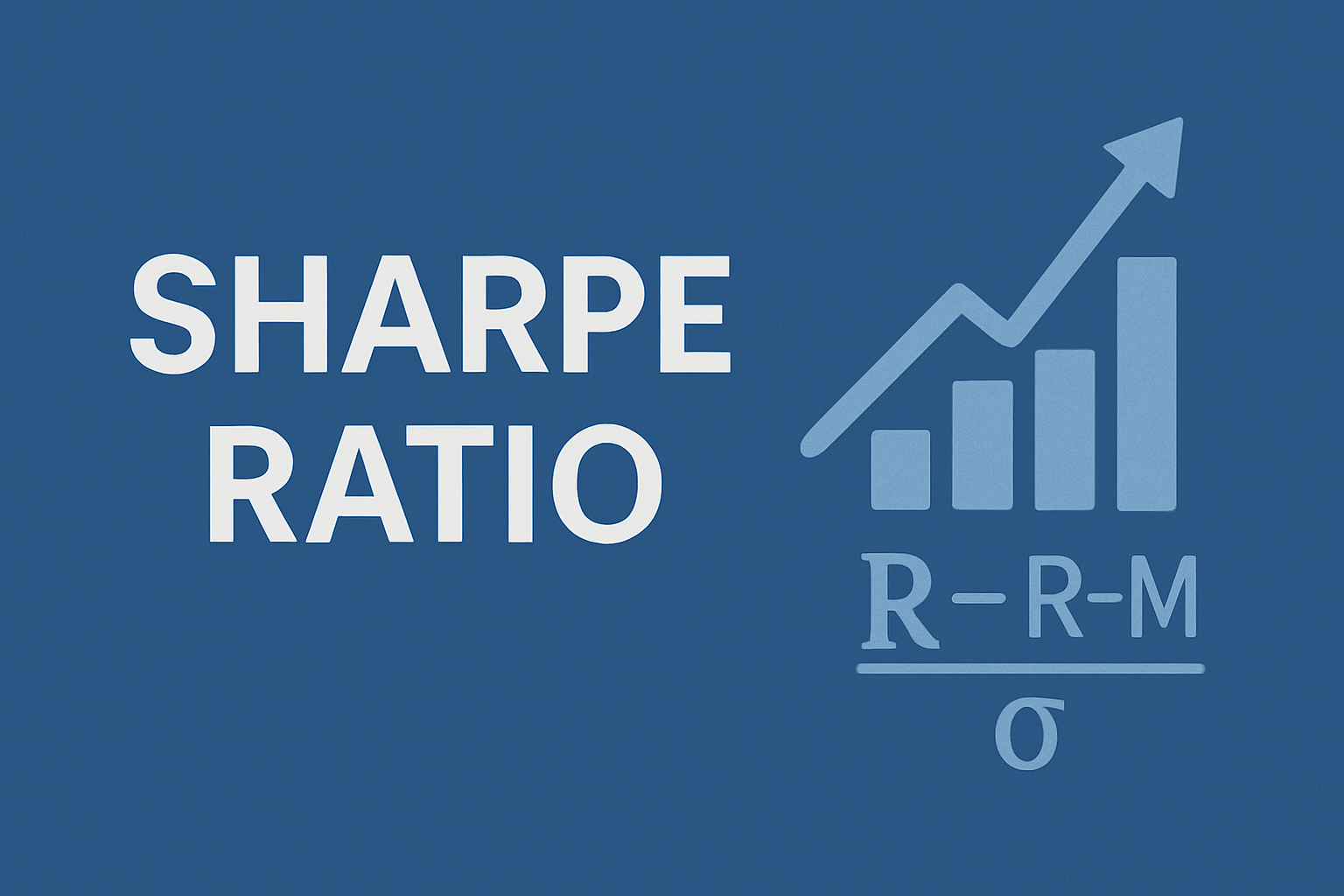
What is Sharpe Ratio used in investment analysis?
August 31 WHAT? The Sharpe Ratio is a widely used financial metric that measures the risk-adjusted return of an investment or portfolio. It evaluates how much excess return an investment generates per unit of risk, helping investors assess whether the returns are worth the risk taken. Developed by Nobel laureate William F. Sharpe in 1966, it is a key tool for comparing the performance of different investments or portfolios. Interpretation Higher Sharpe Ratio: Indicates better risk-adjusted returns...
-

What is Insider Trading? Online gaming bill and the allegations of insider trading
August 27 CONTEXT The Online Gaming Bill, 2025 which has been recently approved by President bans all real-money online games. The law has forced platforms like Dream11, WinZo, and PokerBaazi to halt their cash play, sending gaming stocks into a tailspin. The bill led to massive losses to many investors who has invested in the online gaming companies like Dream11, Nazara and others. Following the approval of the bill, Nazara's shares have crashed by 16% in the past one month. The stock prices have come down from rupees...
-

What is a New Fund Offer (NFO)?
August 16 WHAT? A New Fund Offer (NFO) is the initial subscription period during which a mutual fund scheme is launched and offered to investors for the first time by an Asset Management Company (AMC) in India. It allows investors to purchase units of the new mutual fund at a fixed price, typically ₹10 per unit, before the fund begins regular operations and trading. An NFO is the introductory phase of a mutual fund scheme, where the AMC raises capital from investors to build the fund’s portfolio. It’s similar to...
-
What does the Depository NSDL do?
August 09 ABOUT NSDL The National Securities Depository Limited (NSDL) is India's first and largest central securities depository, established in August 1996 to facilitate the holding and trading of securities in electronic (dematerialized or "demat") form, addressing issues like delays, risks, and costs associated with physical certificates in the traditional paper-based system. It operates under the Depositories Act of 1996 and is promoted by institutions like the National Stock Exchange (NSE), IDBI, and UTI,...
Comments
Write Comment